
Online courses
Enjoy a variety of SRHR topics

Expert instruction
Find the right instructor

Lifetime access
Learn on your schedule
Providing in healthcare, legal training and practice on SRHR and SGBV in Cameroon.
Inspired by CYJULERC’s SRHR work, research and combatting SGBV, the CYJULERC e-learning platform (CYJULERC Academy) fills a critical gap between theory and the lived realities of communities. In Cameroon and similar contexts, SRHR and SGBV remains highly stigmatized and treated as a “no-go zone” for discussion, leaving women and girls of all ages without accurate information, knowledge and supportive structures.
The e-learning platform is aimed at educating professionals to enable them translate medical and legal knowledge into practical, frontline skills, equipping health workers and paralegals to deliver safe, lawful, and rights-based SRHR care and combat against SGBV thus providing the missing link in most professional training programs in Cameroon. Our approach is hands-on, community-grounded, and designed to respond to the real, everyday needs of women and girls, especially in conflict-affected and underserved settings.
By embedding advocacy and multi-sector collaboration of actors into training, we break the silence around SRHR and SGBV, turn abstract laws into life-saving action, and ensure the right to health is not only recognized but accessible, understood, and defended.
What to Expect on this Platform
CYJULERC Academy is designed for anyone who wants to understand, protect, and promote Sexual and Reproductive Health and Rights (SRHR) and Combat Sexual and Gender Based Violence (SGBV) in Cameroon. The platform serves the general public, with tailored learning pathways for:
They can expect to aquire knowledge on:
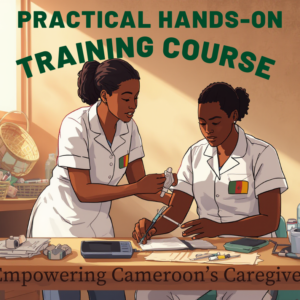
Practical, hands-on SRHR and SGBV skills for frontline care
Clear guidance on lawful SRHR service delivery in Cameroon
Training on post-rape care, post-abortion care, and family planning
Non-judgmental, patient-centered care approaches
Ethical decision-making and referral pathways
Improved quality of care for women, girls, and vulnerable populations
They can expect to aquire knowledge on:
Clear understanding of international, regional, and national SRHR and SGBV laws
Practical interpretation of consent, sexual violence, and protection of minors
Survivor-centered case handling approaches
Stronger coordination with health and social services
Tools to translate law into real protection and accountability
Increased confidence in handling SRHR and SGBV cases
They can expect to aquire knowledge on:
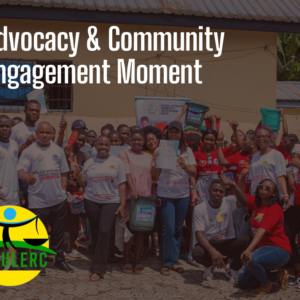
Practical advocacy and community engagement strategies
Tools to address stigma and resistance safely
Skills to design SRHR and SGBV programs grounded in community realities
Strengthened referral pathways for survivors
Safeguarding and Do No Harm practices
Evidence-based, rights-centered programming approaches
They can expect to aquire knowledge on:
Age-appropriate and rights-based CSE, SRHR and SGBV content
Guidance for facilitating safe and respectful classroom discussions
Tools to support student wellbeing and protection
Confidence in addressing sensitive topics
Support for school retention and safe learning environments
Resources adaptable to formal and informal education settings
They can expect to aquire knowledge on:
Accurate, stigma-free SRHR and SGBV information
Better understanding of your body, health, and rights
Knowledge on consent, boundaries, and healthy relationships
Tools to challenge myths and misinformation
Confidence to seek help and support others
Empowering learning designed for real-life situations
They can expect to aquire knowledge on:
Clear and culturally sensitive SRHR and SGBV knowledge
Guidance on supporting young people responsibly
Tools to break silence and stigma through dialogue
Support for community protection and wellbeing
Better understanding of the role of CSE, SRHR and SGBV education
Stronger trust between families, schools, and communities
They can expect to aquire knowledge on:
Survivor-centered response and case management skills
Practical referral and coordination tools
Understanding of SRHR and SGBV in conflict and humanitarian settings
Strong safeguarding and Do No Harm practices
Improved collaboration with health and justice actors
Confidence to respond ethically and effectively
Course Categories


Frequently Asked Questions
CYJULERC Academy is an online learning platform providing practical, rights-based education on Sexual and Reproductive Health and Rights (SRHR) and Sexual and Gender Based Violence (SGBV) in Cameroon.
The Academy was created to bridge the gap between academic theory and real-life community needs—turning SRHR and combating SGBV knowledge into practical, life-saving skills.
Anyone can enroll. The Academy is open to professionals, students, parents, community members, and the general public.
No. While professionals benefit from specialized training, many courses are designed for young people, communities, and non-professionals
Yes. All courses on CYJULERC Academy are completely free and accessible to anyone.
Yes. Certificates are provided for eligible courses upon successful completion.
Yes. The Academy follows strict safeguarding, confidentiality, and Do No Harm principles to ensure a safe learning environment.
No. You only need a phone or computer with internet access. Courses are self-paced and easy to follow.
Grounded in IPPF, UNFPA, UNESCO, and broader global CSE and SRHR guidance, CYJULERC Academy localizes international standards to Cameroon’s legal, cultural, and humanitarian realities, ensuring education is practical, age-appropriate, rights-based, safe, and relevant in conflict-affected and underserved settings.