CYJULERC SRHR ACADEMY

Sexual and Reproductive Health and Rights are fundamental human rights, yet for many women and girls in Cameroon, access to accurate information and safe services remains limited by stigma, silence, conflict, and misinformation. SRHR is still treated as a “no-go zone”—with serious consequences for health, safety, and dignity.

CYJULERC Academy’s SRHR category breaks that silence by providing accurate, lawful, and practical SRHR education grounded in Cameroon’s social realities and legal framework.

What this category is about

This category offers comprehensive learning on:

  • Sexual and reproductive health basics

  • Menstrual health and hygiene

  • Family planning and contraception

  • Pregnancy, childbirth, and maternal health

  • Sexually transmitted infections (STIs) and prevention

  • SRHR in conflict and humanitarian settings

  • Access to lawful post-rape care and survivor services

  • Rights to information, care, and non-discrimination

The focus is on what people need to know to protect their health and make informed choices, not on fear, shame, or moral judgment.

What this category is about

CYJULERC’s SRHR programming is guided by:

  • WHO standards on quality of care

  • UNFPA frameworks on adolescent and humanitarian SRHR

  • IPPF rights-based service delivery models

  • Cameroonian national laws and legal frameworks

Our approach is built on five pillars:

1. Accurate, Evidence-Based Information

All content is grounded in verified medical knowledge and public health standards.

2. Legal Literacy and Accountability

We integrate national and international legal frameworks into SRHR education.

3. Youth-Friendly and Survivor-Centered Care

Services must be confidential, respectful, and non-discriminatory.

4. System Strengthening

We strengthen referral pathways between communities, health facilities, and justice institutions.

5. Context Sensitivity

We adapt global SRHR standards to conflict-affected and conservative environments.
Latest Courses

Coming Soon...

Grounded in CYJULERC’s real-world experience

This category draws directly from CYJULERC’s work in:

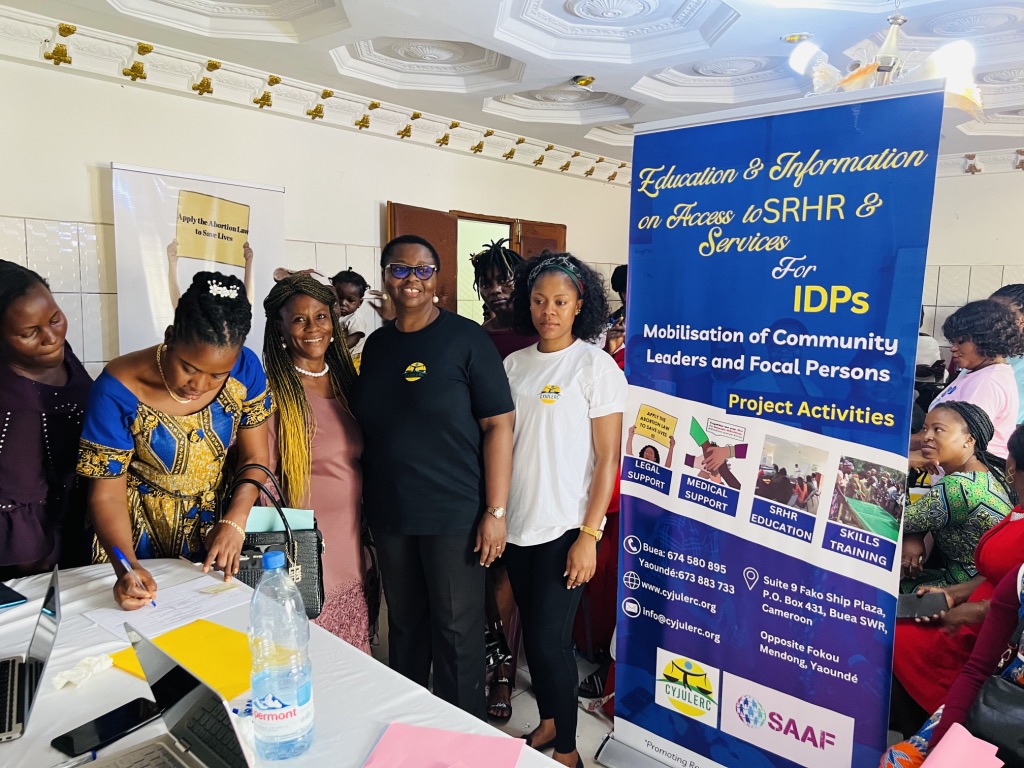
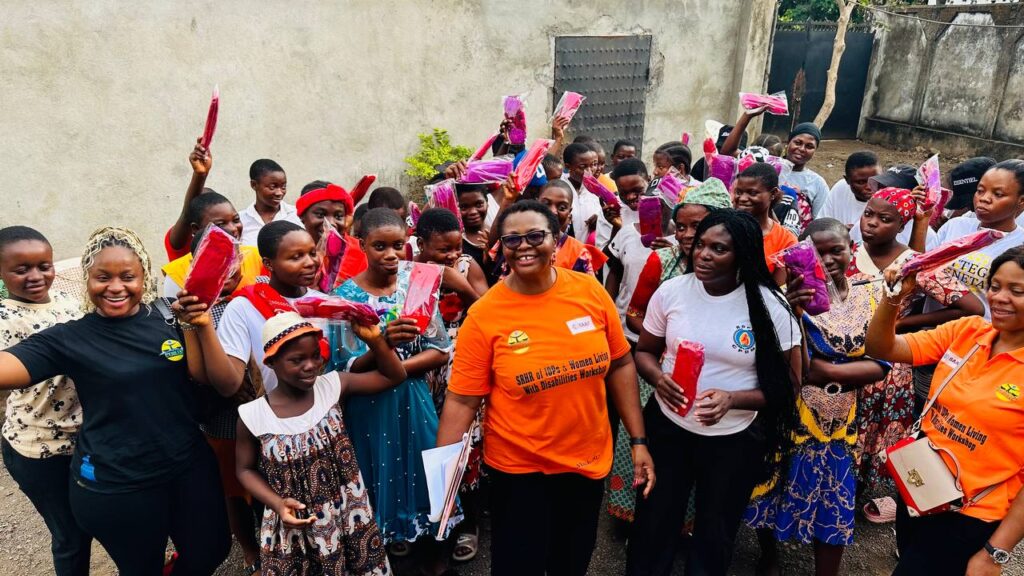
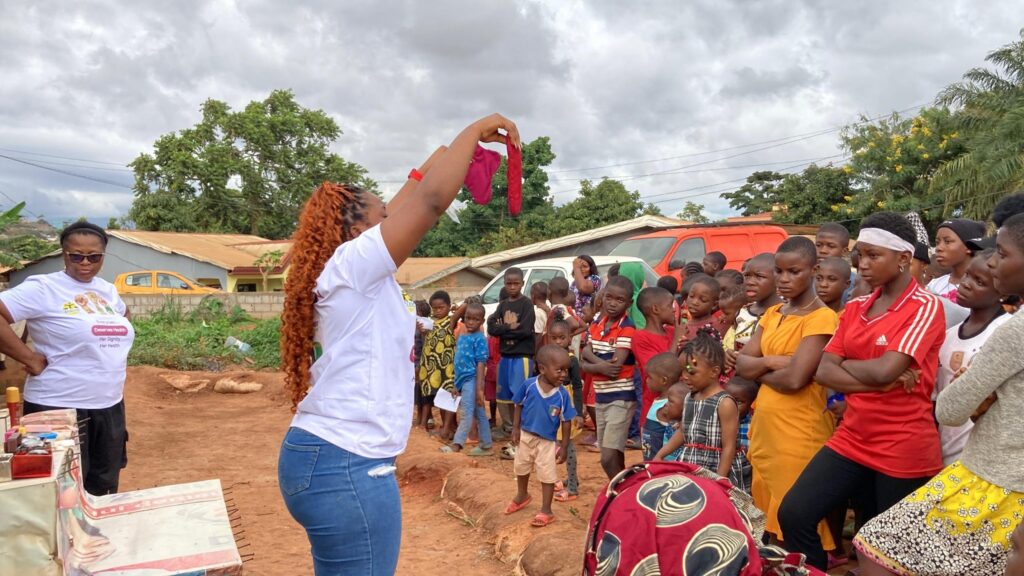
  • Community SRHR education and outreach

  • Legal education on SRHR rights and consent

  • Engagement with health facilities and family planning units

  • Support and referrals for survivors of sexual violence

  • Training of paralegals, health workers, and community volunteers

  • Advocacy for access to lawful SRHR services

Learners engage with content shaped by real cases, community questions, and frontline challenges.

Who this category is for

  • Health workers and family planning providers
  • Judicial workers and legal practitioners
  • Community-based and civil society organizations
  • Educators and students
  • Community and faith leaders
  • Young women and girls
  • Young men and boys
  •  
  •  

Learning Outcome

By the end of this category, learners will be able to:

  • Identify different forms of GBV and risk factors

  • Respond to disclosures safely and ethically

  • Support survivors without blame or retraumatization

  • Navigate medical and legal referral pathways

  • Promote prevention and accountability within communities

  • Advocate for survivor rights and access to justice

What makes this SRHR category different

Many SRHR resources are either too technical or too abstract. CYJULERC Academy bridges that gap by combining:

  • Medical accuracy

  • Legal clarity

  • Human rights principles

  • Community realities

This approach ensures learners understand what the law allows, what health services provide, and how to navigate real-life barriers safely and ethically.

Why this matters

In contexts where GBV is normalized, hidden, or ignored, knowledge becomes protection. CYJULERC Academy’s Gender-Based Violence category ensures that those working on the frontlines—and those living in affected communities—are equipped to respond with care, competence, and courage.